
Oil Furnace Puff-Back: The First-Hour Emergency Action Guide
In the first hour after an oil furnace puff-back, immediately flip the red emergency heating shutoff switch (typically at the top of the basement stairs) to prevent the blower from circulating oily soot into every room. Do NOT wipe walls with water, soap, or household cleaners, and do NOT use a home vacuum cleaner—water permanently smears petroleum soot into drywall pores, and home vacuums blow ultrafine soot back into the air. Call (407) 956-1738 for 24/7 dry chemical sponge extraction and HVAC decontamination.
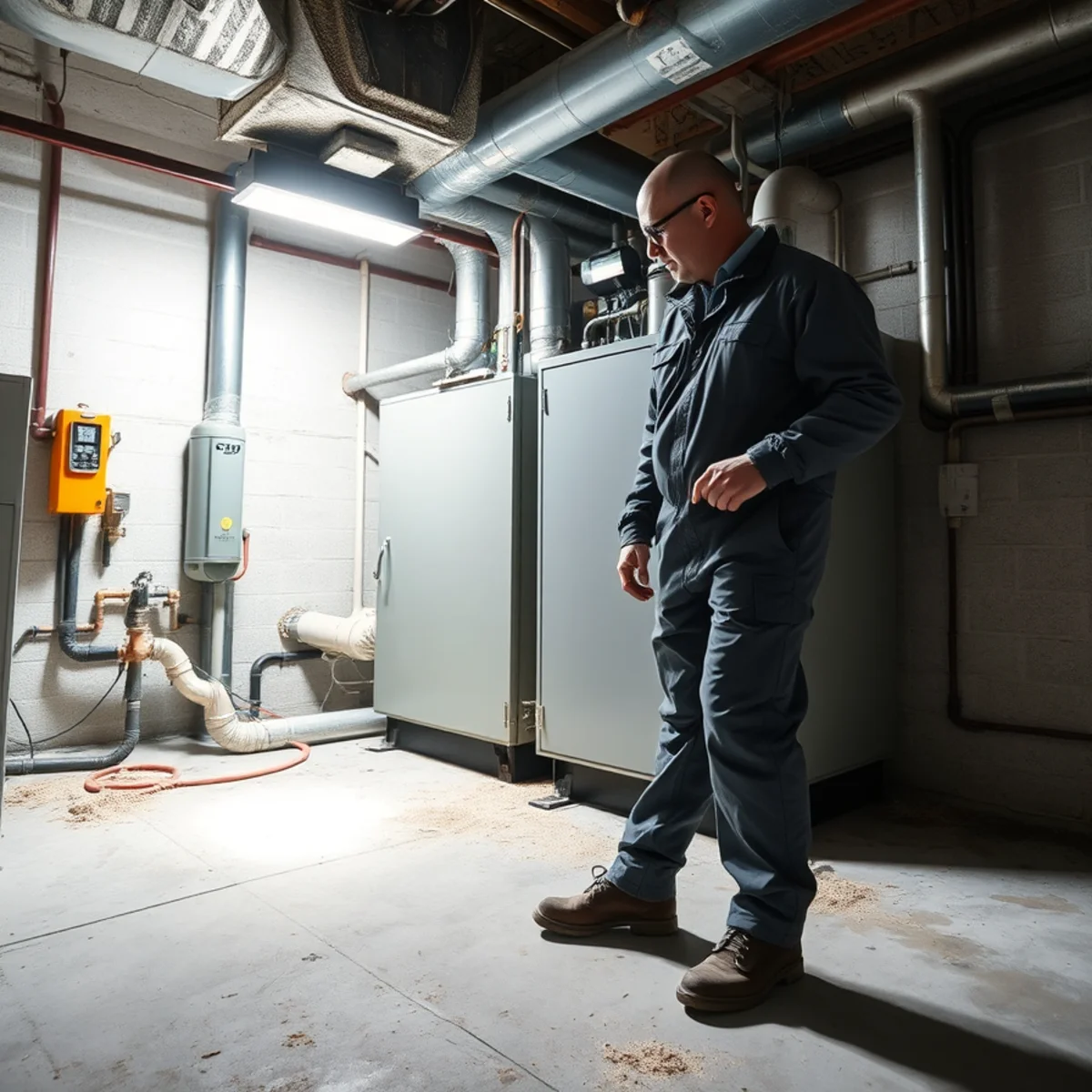
Across Upstate New York—where oil-fired boilers and forced-air furnaces are primary winter heat sources throughout Chenango, Otsego, and Madison Counties—an oil furnace puff-back is one of the most frustrating, destructive household emergencies. During freezing weather, a delayed ignition causes unburned vaporized fuel oil in the burner chamber to explode upon ignition. In a fraction of a second, the resulting pressure wave blows through the furnace flue pipe and barometric damper, sending an oily, black, foul-smelling aerosol of fuel oil soot through supply registers, baseboards, and return ducts. What you do—and what you deliberately avoid doing—within the first 60 minutes directly dictates whether your home can be restored without repainting every room and discarding expensive carpets. Here is your definitive first-hour action guide.
1. The First 60 Minutes: Critical Steps to Contain Greasy Soot
The initial reaction of most homeowners is panic, followed by an urge to grab rags and begin wiping black smudges off kitchen counters and door frames. Stop immediately. Every premature action spreads the oily residue.
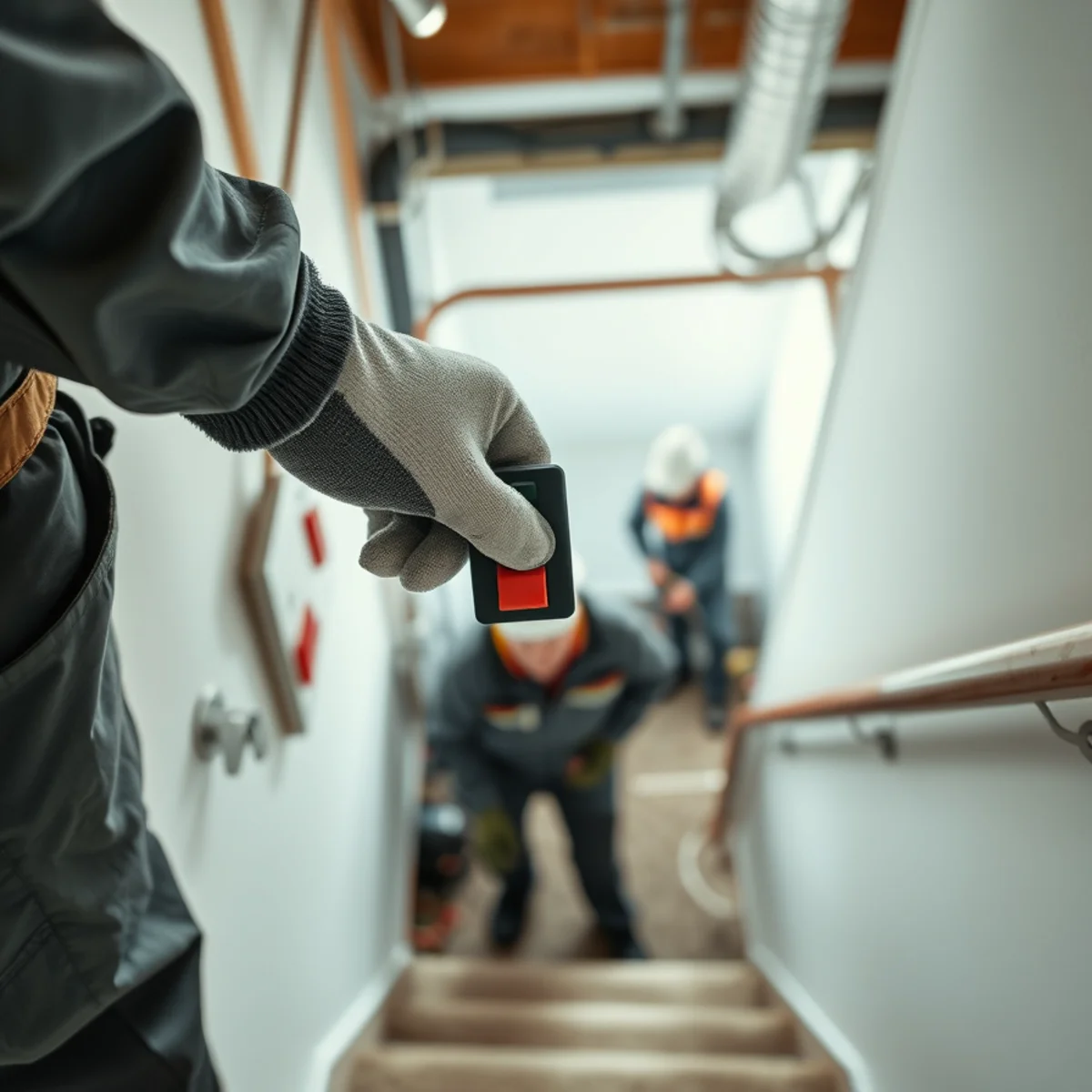
Step 1: Shut Down the Heating System Immediately
Locate the red emergency switch—usually mounted at the top of the basement stairway or on the burner casing itself—and flip it to "OFF." Every minute a forced-air furnace blower operates after a puff-back, it pumps billions of microscopic fuel oil soot particles through duct branches into bedrooms, bathrooms, closets, and living areas.
Step 2: Inspect for Fire Extension & Call 911 If Smoke Persists
A puff-back is essentially a localized explosion. Check the furnace room for active combustion, scorched wiring, or chimney flue pipe dislodgment. If you detect active flames, smoldering insulation, or heavy black smoke pouring from the burner casing, evacuate immediately and dial 911 for your local volunteer fire department.
Step 3: Close Off Affected Rooms and Limit Foot Traffic
Walking across soot-dusted hardwood floors and carpets embeds sticky petroleum particulates deep into pile fibers and polyurethane floor finishes. Keep pets and children isolated in an unaffected area or arrange temporary neighbor shelter. Avoid touching soot-covered walls or opening interior closet doors.
Never operate ceiling fans, portable box fans, or central air handlers after a puff-back. Mechanical air movement creates electrostatic friction that binds oily soot particles to ceiling drywall and textured plaster.
2. Why You Must NEVER Use Soap, Water, or Household Vacuums
The chemical composition of oil furnace soot is fundamentally different from wood fire ash or clean fireplace soot. Attempting DIY cleaning with standard household products causes permanent, costly structural damage.
The Chemistry of No. 2 Fuel Oil Soot
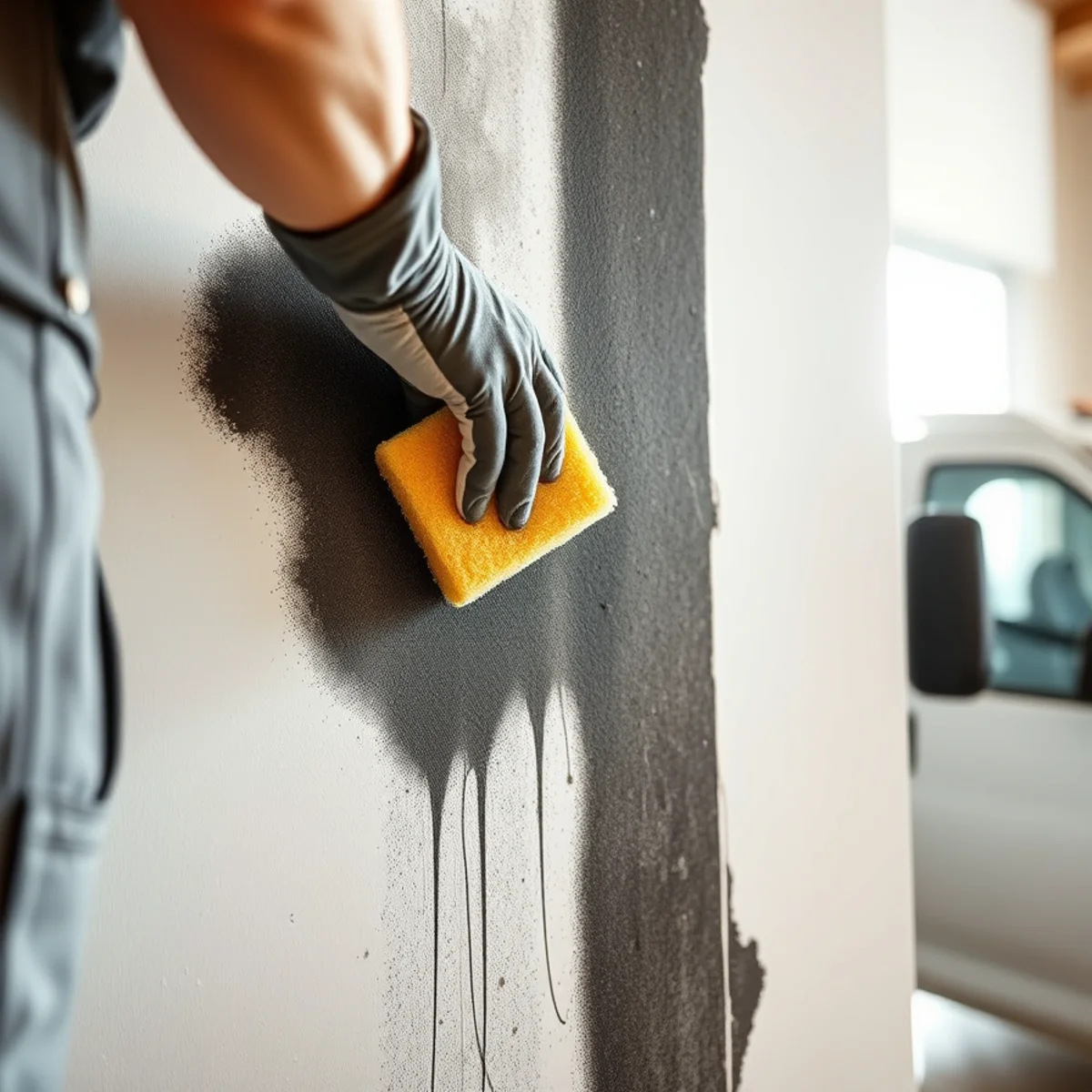
Puff-back soot is saturated with unburned No. 2 fuel oil, heavy alkanes, aromatic hydrocarbons, and sulfuric acid residues. It carries an oily, greasy consistency with a low pH (2.5 to 3.5). When you apply water, spray cleaner, or dish soap, the liquid acts as an emulsifier, dissolving the oil film and allowing black carbon pigments to penetrate deep into the microscopic pores of latex wall paint and woodwork, leaving permanent black streaks that bleed through new primer.
The Danger of Household Vacuums
Standard home vacuum cleaners—even those branded as having HEPA filters—are not sealed to industrial abatement standards. Fuel oil soot particles measure between 0.1 and 1.0 microns. When sucked into a home vacuum, particles pass straight through the exhaust filter and are blasted into the ambient air as an invisible toxic fog, coating previously clean ceilings and curtains.
3. Professional Decontamination: Vulcanized Sponges & Polar Solvents
Professional restoration technicians certified under IICRC S700 standards utilize dry chemical particulate extraction protocols to restore surfaces without damaging underlying substrates.
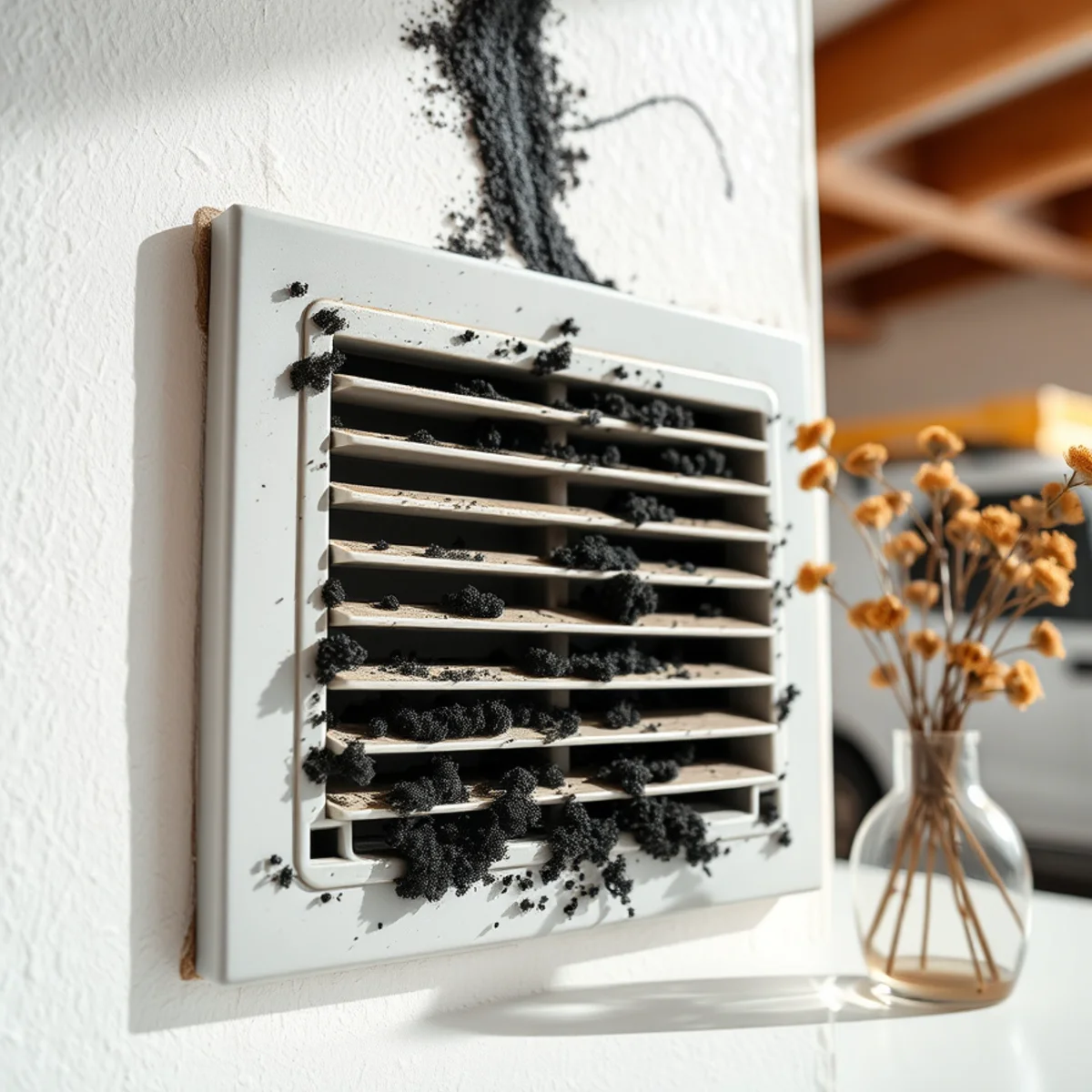
Vulcanized Natural Rubber Chemical Sponges
Technicians clean ceilings and walls using specialized vulcanized natural rubber dry sponges. The microporous latex structure of these sponges creates an electrostatic charge that lifts and encapsulates dry oil soot without moisture. Sponges are used in overlapping, downward strokes, shaving off soiled layers as they become saturated.
Degreasing with Polar Solvent Solutions
Only after all loose surface soot has been dry-extracted do technicians apply specialized alkaline degreasers containing polar solvents and deodorizing counteractants. This two-phase process safely dissolves remaining oil films from durable surfaces like tile, metal hardware, and appliance exteriors without cross-contaminating adjoining surfaces.
4. HVAC Air Duct Cleaning & Whole-House Air Scrubbing
In forced-air heated homes, the duct distribution network becomes the primary vector for soot contamination. Simply wiping supply registers is completely ineffective if the ductwork interior remains lined with oily film.
NADCA ACR Standard Duct Decontamination
Our teams connect 2,500+ CFM negative air vacuums to main duct trunks, placing the entire ventilation system under vacuum pressure. Rotary whip brushes and compressed-air forward-discharge nozzles travel through every supply and return run, dislodging oil soot and directing it into multi-stage HEPA filtration units.
Coil, Blower, and Plenum Sanitization
The furnace blower wheel, evaporator coils, and heat exchanger plenum are degreased and sanitized. Technicians replace all filtration media and apply an EPA-registered antimicrobial encapsulant to prevent lingering fuel oil odors from blowing into the living space every time the heat kicks on.
| Characteristic | Oil Furnace Puff-Back Soot | Wood / Fireplace Smoke Soot |
|---|---|---|
| Residue Texture | Greasy, sticky, tar-like film with strong diesel aroma. | Dry, powdery, crumbly ash or dry carbon dust. |
| Acidity & Corrosiveness | Extremely acidic (pH 2.5–3.5); pits metal & etches chrome in 24 hrs. | Mildly acidic to neutral; slower to cause corrosive damage. |
| Primary Cleaning Method | Strict dry vulcanized chem sponge followed by polar degreasers. | Dry vacuuming with sealed HEPA followed by mild detergent wash. |
| Vacuum Equipment | Strictly forbidden for domestic vacuums; requires sealed critical HEPA. | Requires HEPA; standard vacuums cause severe filter bypass. |
| Odor Neutralization | Thermal fogging with true petroleum solvent counteractants. | Hydroxyl generation and ozone chamber deodorization. |
5. Navigating Insurance Coverage: Why Puff-Backs Are Fully Covered
Many Upstate New York homeowners hesitate to report a furnace puff-back because they believe it is classified as a maintenance issue rather than an insurable casualty. This is a common misconception.
Sudden and Accidental Smoke Damage Peril
Under standard New York homeowners insurance policies (HO-3 and HO-5), smoke damage resulting from a sudden and accidental burner puff-back is a fully covered peril. While the mechanical repair or replacement of the defective furnace burner itself may be excluded as wear-and-tear, all resulting smoke and soot cleanup, wall repainting, carpet cleaning, duct sanitization, and furniture restoration are fully covered.
Direct Billing with Standardized Xactimate Scoping
Lancaster Smoke Damage Experts compiles comprehensive line-item estimates using Xactimate—the exact pricing software required by major regional insurers including NYCM, Preferred Mutual, State Farm, and Allstate. We bill your carrier directly, minimizing out-of-pocket stress to your policy deductible.
Central NY Fuel Oil Viscosity Issues During Sub-Zero Polar Vortexes
In New Berlin, Norwich, Oneonta, and throughout Chenango County, oil burner puff-backs spike during severe sub-zero cold snaps in January and February. When outdoor temperatures plunge below 0°F, outdoor above-ground fuel tanks experience fuel oil waxing and viscosity thickening. As oil sludge clogs burner nozzles and misaligns ignition spark electrodes, the burner nozzle sprays atomized oil that fails to ignite instantly. When the delayed spark finally fires after several seconds of spray, it detonates the pooled fuel vapor. Because homes are tightly sealed for winter, the resulting oily soot coats every square inch of interior living space. Our 24/7 New Berlin dispatch team arrives equipped with commercial dry sponges, portable heating units, and air scrubbers to stabilize your home immediately.
Need Immediate On-Site Fire Damage Recovery?
We dispatch certified restoration teams across Chenango, Otsego, and Madison Counties from our New Berlin hub. Zero phone menus, no automated forms—speak directly with a certified technician.
Frequently Asked Questions
What is an oil furnace puff-back and what causes it?
A puff-back occurs when unburned fuel oil vapors accumulate in the combustion chamber due to delayed ignition (caused by dirty nozzles, weak electrodes, or cold fuel viscosity) and explode upon eventual spark, blowing black oily soot through the furnace flue and heating ducts into your home.
Does homeowners insurance pay for furnace puff-back cleaning in Upstate NY?
Yes. Homeowners insurance policies cover the resulting soot cleanup, duct decontamination, textile cleaning, and wall repainting under the "sudden and accidental smoke damage" peril. You are typically only responsible for your policy deductible.
Can I clean furnace puff-back soot off my walls with dish soap or vinegar?
No. Heating oil soot is greasy and acidic. Applying liquid soap, vinegar, or water dissolves the oil binders and drives black carbon deep into the pores of painted drywall and plaster, creating permanent stains that bleed through new paint. Only dry chemical sponges should be used.
Is it dangerous to breathe air inside a home after a furnace puff-back?
Yes. Puff-back soot contains carcinogenic polycyclic aromatic hydrocarbons (PAHs), heavy petroleum residues, and ultrafine particles under 2.5 microns. Inhaling these particles triggers respiratory irritation, severe headaches, and asthma flare-ups, particularly in children and seniors.