
Is It Safe to Stay in a Smoke-Damaged House? Health Risks
No, it is not safe to stay or sleep in a smoke-damaged house—even after a minor or contained fire. Modern furnishings contain plastics, foams, and synthetic resins that release invisible, highly toxic volatile organic compounds (VOCs), hydrogen cyanide, and ultrafine carcinogenic soot particles (PM2.5) that penetrate deep into lung tissue. Inhaling these residues causes acute respiratory distress, severe headaches, and long-term cellular damage. Your homeowners insurance policy provides Additional Living Expenses (ALE) specifically to cover hotel accommodations while certified professionals decontaminate your indoor air. Call (407) 956-1738 for 24/7 emergency dispatch.
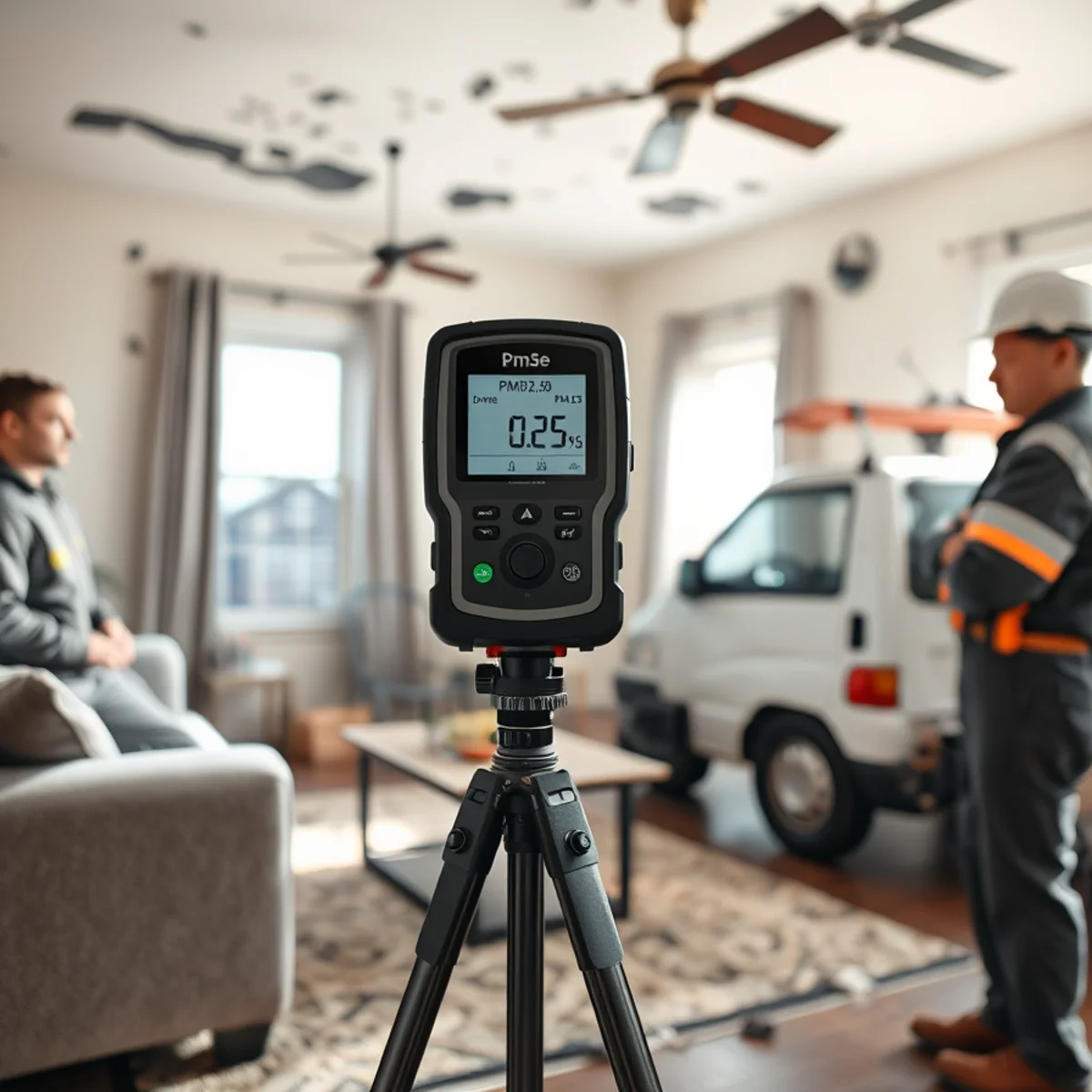
Following a contained structural fire—whether an isolated kitchen grease flare-up in Norwich, an electrical wire short in Sherburne, or an oil furnace puff-back in New Berlin—homeowners are naturally reluctant to leave their properties. The instinct to stay home, guard belongings, avoid hotel expenses, and begin cleaning up is powerful. However, modern fire science and environmental toxicology have fundamentally transformed our understanding of smoke residue. Half a century ago, residential fires burned predominantly natural cellulose materials like solid pine, wool, and cotton. Today, over 80% of interior home contents consist of synthetic polymers, polyurethane foams, polyvinyl chloride (PVC), and chemical flame retardants. When these petroleum-based synthetics combust, they produce an invisible cocktail of carcinogenic toxins, acidic chemical aerosols, and microscopic particulate matter that lingers in indoor air for weeks. This guide examines the genuine health hazards of staying in a smoke-damaged residence and how to utilize your insurance coverage to secure immediate, safe relocation.
1. The Invisible Chemical Threats: VOCs, Carbon Monoxide, and Hydrogen Cyanide
The visible grey haze and black carbon soot deposited on walls represent only a tiny fraction of fire-related indoor air contamination. The greatest threat to human health is invisible, airborne volatile gases that continue to off-gas from porous materials long after flames are extinguished.

Lethal Off-Gassing from Synthetic Polymers
Combustion of polyurethane foam mattresses, synthetic carpet backing, vinyl flooring, and plastic appliance casings releases deadly volatile organic compounds (VOCs). These include hydrogen cyanide (HCN)—which is 35 times more toxic than carbon monoxide and disrupts cellular oxygen utilization—as well as phosgene, benzene, formaldehyde, and dioxins. Because these gases are absorbed into drywall, ceiling plaster, and attic insulation during the fire, they slowly off-gas back into the ambient air, maintaining dangerous airborne concentrations in sealed rooms.
Persistent Carbon Monoxide Traps in Enclosed Spaces
Carbon monoxide (CO) is a colorless, odorless gas produced by incomplete combustion. In homes where fire was extinguished, smoldering building cavities, damp insulation, and charcoal residues in wall chases continue generating CO. Because Central New York homes are heavily insulated and sealed against winter cold, carbon monoxide accumulates in bedrooms and basements, causing dizziness, cognitive confusion, nausea, and potentially fatal nocturnal asphyxiation.
Never rely on your nose alone to judge safety. Highly toxic chemical gases like carbon monoxide and low-concentration hydrogen cyanide cannot be detected by human smell until exposure levels are dangerously elevated.
2. Ultrafine Particulate Matter (PM2.5): Respiratory and Cardiovascular Perils
Soot is not a uniform powder; it is an aerosol of microscopic carbon fragments carrying adsorbed toxic chemicals and acidic moisture.
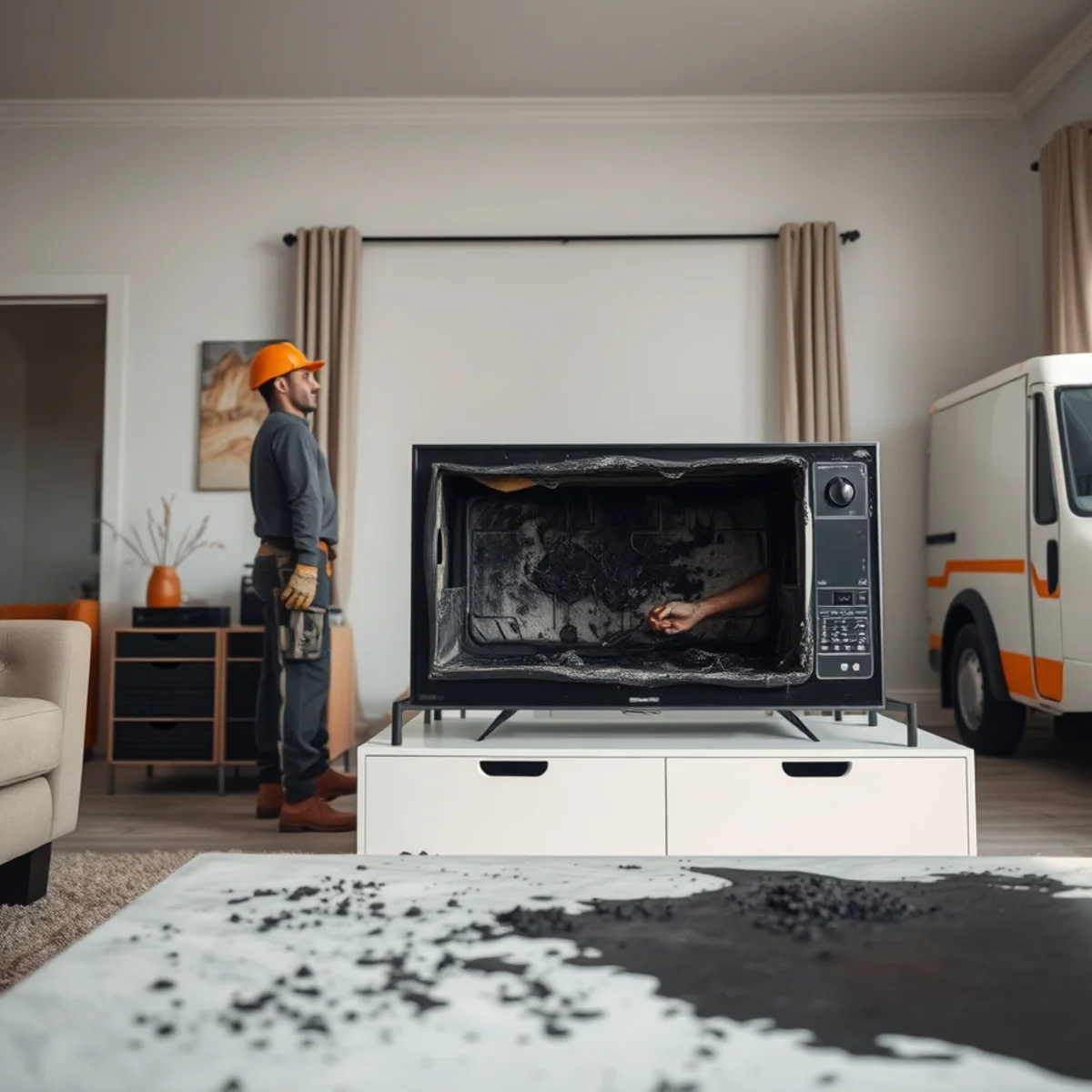
Deep Alveolar Penetration of PM2.5 and PM0.1 Particles
Combustion produces particulate matter smaller than 2.5 microns (PM2.5), with billions of ultrafine nanoparticles measuring below 0.1 microns (PM0.1). Standard human respiratory defense mechanisms—such as nasal hair and bronchial mucous membranes—cannot capture particles of this size. When inhaled, ultrafine soot travels straight into the deep alveoli of the lungs, entering the bloodstream and causing systemic arterial inflammation, severe asthma attacks, chronic bronchitis, and elevated risks of cardiac arrhythmia.
High Vulnerability Among Children, Seniors, and Pets
Infants and young children breathe significantly more air per pound of body weight than adults, and their developing lungs are exceptionally sensitive to acidic soot particulates. Seniors with pre-existing cardiopulmonary conditions (such as COPD or congestive heart failure) experience rapid clinical decompensation when exposed to post-fire atmospheres. Furthermore, family pets—who groom soot residues off their fur and walk across contaminated floors—are at extreme risk of toxic ingestion and acute chemical pneumonitis.
3. Hidden Mechanical and HVAC Contamination: The Recirculation Trap
A home that seems "only slightly smoky" in the living room often harbors extreme contamination throughout its mechanical air handling infrastructure.
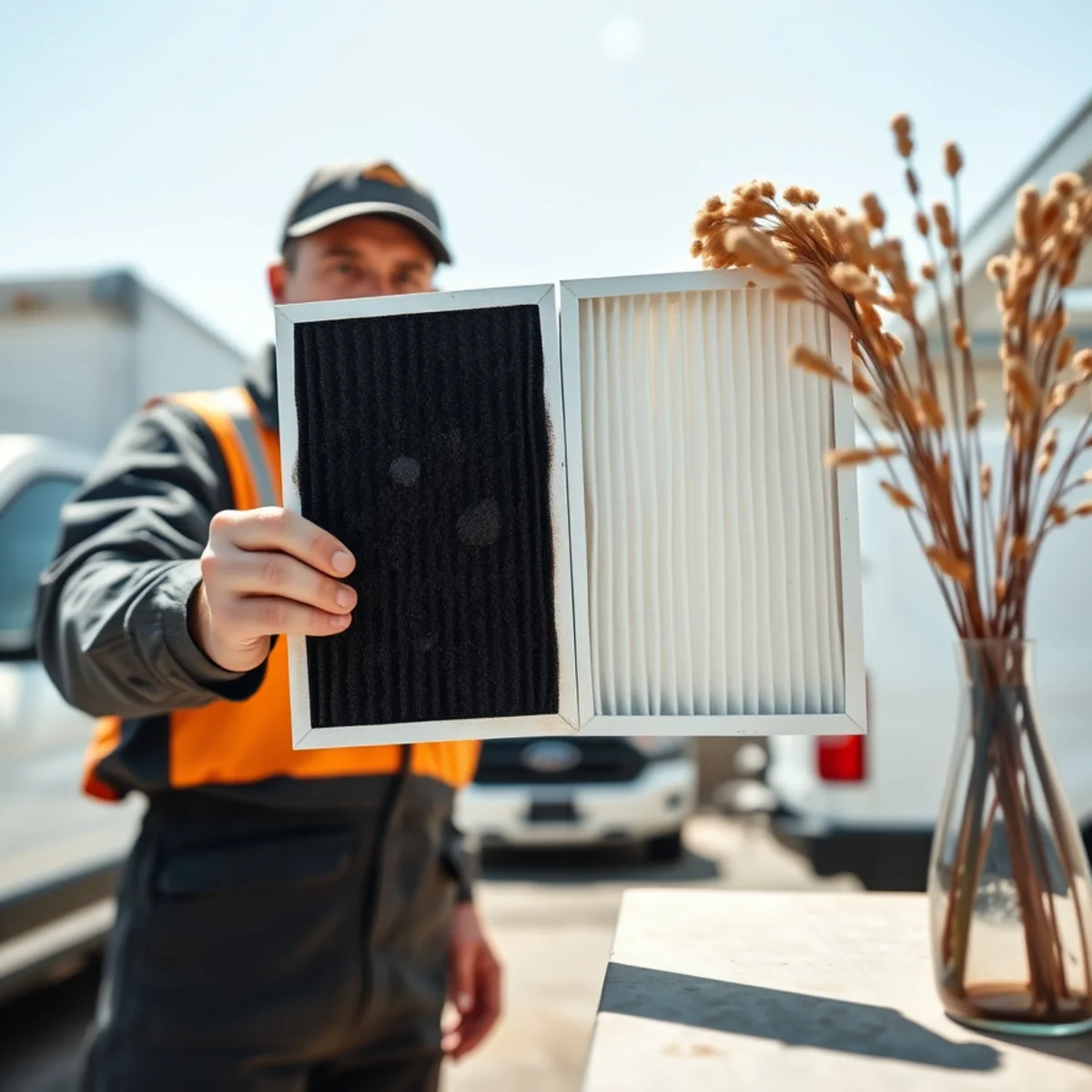
Forced-Air HVAC Distribution Networks
When a fire occurs, thermal pressure currents force smoke into return air grilles and ductwork seams. If the furnace or air conditioner operates even briefly during or after the incident, it coats the interior sheet metal and fiberglass duct liner with oily soot. Every subsequent time the system turns on, it blows heated toxic particulates directly into closed bedrooms, contaminating rooms that were completely untouched by the initial fire.
Attic and Wall Cavity Smoke Reservoirs
In historic balloon-framed Upstate New York homes, wall cavities lack fire stops, allowing convective air currents to draw smoke upward into attic spaces. This smoke settles into fiberglass and blown-in cellulose insulation. As temperatures fluctuate between day and night, the attic creates a "thermal chimney" effect, pushing stale, soot-laden air downward through ceiling electrical boxes, recessed light fixtures, and plumbing chases into the living quarters.
4. Understanding Toxic Contaminants: Exposure & Biological Impacts
The following matrix outlines the primary chemical contaminants generated during residential fires, their building material sources, and their documented health hazards:
| Chemical Toxicant | Primary Material Source | Acute Health Effects | Decontamination Standard |
|---|---|---|---|
| Polycyclic Aromatic Hydrocarbons (PAHs) | Burned carpet padding, synthetic textiles, cordwood. | Carcinogenic; skin irritation, eye burning, respiratory inflammation. | Dry chem-sponge particulate extraction + HEPA air scrubbing. |
| Hydrogen Cyanide (HCN) | Polyurethane foam, nylon furniture, wool blend drapes. | Cellular asphyxiation, severe headaches, vertigo, respiratory arrest. | High-volume forced negative air ventilation + multi-gas clearance. |
| Hydrochloric Acid (HCl) | PVC conduit, vinyl window frames, electrical wire insulation. | Severe chemical burns to lung tissue; corrosive pitting of metal hardware. | Alkaline neutralization wash + thermal fogging counteractants. |
| Dioxins & Furans | Chlorinated plastics, bleached paper products, flame retardants. | Endocrine disruption, severe immune suppression, long-term cancer risk. | Complete removal of un-salvageable porous items + encapsulated priming. |
| Acrolein & Formaldehyde | Engineered plywood, OSB subfloors, acrylic paints, particle board. | Intense mucosal irritation, tearing, persistent coughing, nausea. | Continuous 72-hour hydroxyl oxidation chamber treatment. |
5. How Insurance Fully Covers Relocation Under Loss of Use (ALE)
Many homeowners endure toxic indoor air simply because they fear out-of-pocket hotel expenses. Understanding your insurance policy eliminates this barrier to personal safety.
Coverage D: Additional Living Expenses (ALE)
Standard New York homeowners insurance policies include Coverage D, which covers the additional costs incurred when a covered peril makes your residence unfit to live in. If indoor air quality is compromised by smoke, soot, or toxic off-gassing, your adjuster will authorize immediate emergency lodging at hotels in Norwich, Oneonta, Utica, or Binghamton, as well as temporary rental homes for extended remediation projects.
Direct Billing and Proof of Uninhabitability
Lancaster Smoke Damage Experts provides insurance adjusters with objective documentation of uninhabitable conditions, including particulate level counts, soot wipe samples, and comprehensive photographic scopes. In most cases, we coordinate with carriers to bill emergency stabilization directly, allowing you to focus on your family’s health and well-being.
Central New York Winter Inversions & Tightly Sealed Farmhouse Hazards
In Chenango, Otsego, and Madison Counties, winter weather severely amplifies post-fire health hazards. During January and February, valley temperature inversions trap stagnant air in low-lying towns like New Berlin, Norwich, and Sherburne. Concurrently, homeowners maintain tightly closed storm windows, draft blockers, and heavy insulation to fight sub-zero weather. When even a small puff-back or chimney flare-up occurs, there is zero natural air exchange. Toxic combustion gases remain locked inside the building envelope at dangerous concentrations for weeks. Attempting to "air out" the house by opening windows is impossible when exterior temperatures are below zero, as doing so freezes plumbing lines within hours. Professional remediation with commercial hydroxyl generators and sealed negative air scrubbers is the only safe way to decontaminate indoor air without compromising heating.
Need Immediate On-Site Fire Damage Recovery?
We dispatch certified restoration teams across Chenango, Otsego, and Madison Counties from our New Berlin hub. Zero phone menus, no automated forms—speak directly with a certified technician.
Frequently Asked Questions
Is it safe to sleep in my house after a small kitchen fire that was put out quickly?
No. Even a small kitchen fire burning cooking oils, synthetic cabinets, or plastic appliances releases dense plumes of acrolein, carbon monoxide, and ultrafine soot. Sleeping in a smoke-damaged room exposes your respiratory system to continuous toxic inhalation over 6 to 8 hours, causing severe headaches, respiratory burns, and toxic exposure.
Will my homeowners insurance pay for a hotel if my house only smells like smoke?
Yes. Under your policy’s Additional Living Expenses (ALE) coverage, your insurer pays for temporary lodging if smoke odor and airborne particulates make your home uninhabitable or unhealthy. A certified restoration inspection report establishes the necessary proof of loss.
Can I clean the air in my smoke-damaged home using a home HEPA air purifier?
Standard consumer air purifiers are designed for pollen and dust, not post-fire remediation. They lack the cubic-feet-per-minute (CFM) capacity to create negative pressure, and their thin carbon filters saturate within hours. Professional remediation requires commercial 2,000+ CFM air scrubbers equipped with industrial activated carbon trays and true HEPA media.
How do professionals determine when a house is safe to move back into?
Clearance requires complete physical removal of all soot residues using dry chemical sponges and HEPA vacuuming, thermal fogging or hydroxyl deodorization to eliminate volatile organic compounds, sanitization of HVAC ductwork, and objective air quality testing showing particulate levels within normal ambient thresholds.