
What to Do After a Chenango County House Fire: Safety Guide
Immediately after a house fire in Chenango County, do not re-enter the property until the Incident Commander or local code official gives written clearance. Secure your immediate safety, obtain emergency lodging via your policy’s Additional Living Expenses (ALE) advance, and call 24/7 emergency restoration at (407) 956-1738 to perform structural board-up and plumbing winterization before secondary freezing strikes. Never attempt to wipe acidic soot with water or household cleaners, which causes permanent etching.
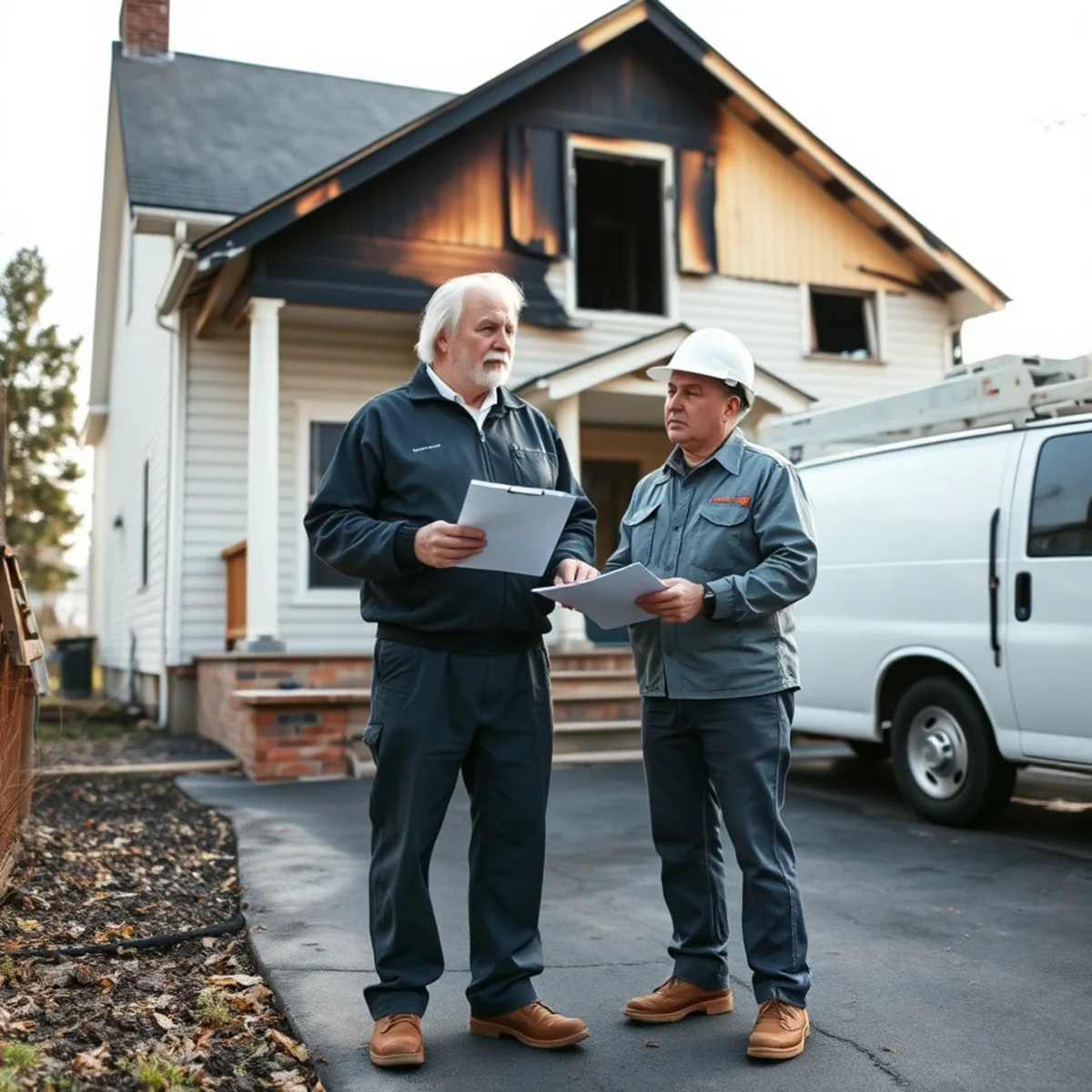
Experiencing a residential fire in Chenango County—whether in the historic village corridors of New Berlin and Oxford, the dense neighborhoods of Norwich, the rural hilltops of Sherburne, or agricultural valleys along the Unadilla River—is a traumatic, disorienting experience. Once local volunteer fire companies have controlled the flames, completed thermal overhaul, and packed their apparatus, the immediate burden of securing the property falls squarely upon the homeowner. The critical decisions made within the first 24 hours determine whether your home can be successfully rehabilitated, whether surviving plumbing survives Upstate New York winter freezes, and whether your insurance carrier fully covers your structural and personal property losses. This comprehensive guide outlines the exact, protocol-driven steps every Chenango County homeowner must take to navigate the immediate aftermath of a structural fire.
1. Never Re-Enter Until the Fire Department Issues Official Clearance
The single most common and dangerous mistake homeowners make after a fire is rushing inside to salvage personal keepsakes, financial documents, or pets before the structure has been declared structurally and atmospherically safe. Even after visible flames and heavy smoke plumes have subsided, residential fire scenes remain active hazard zones.
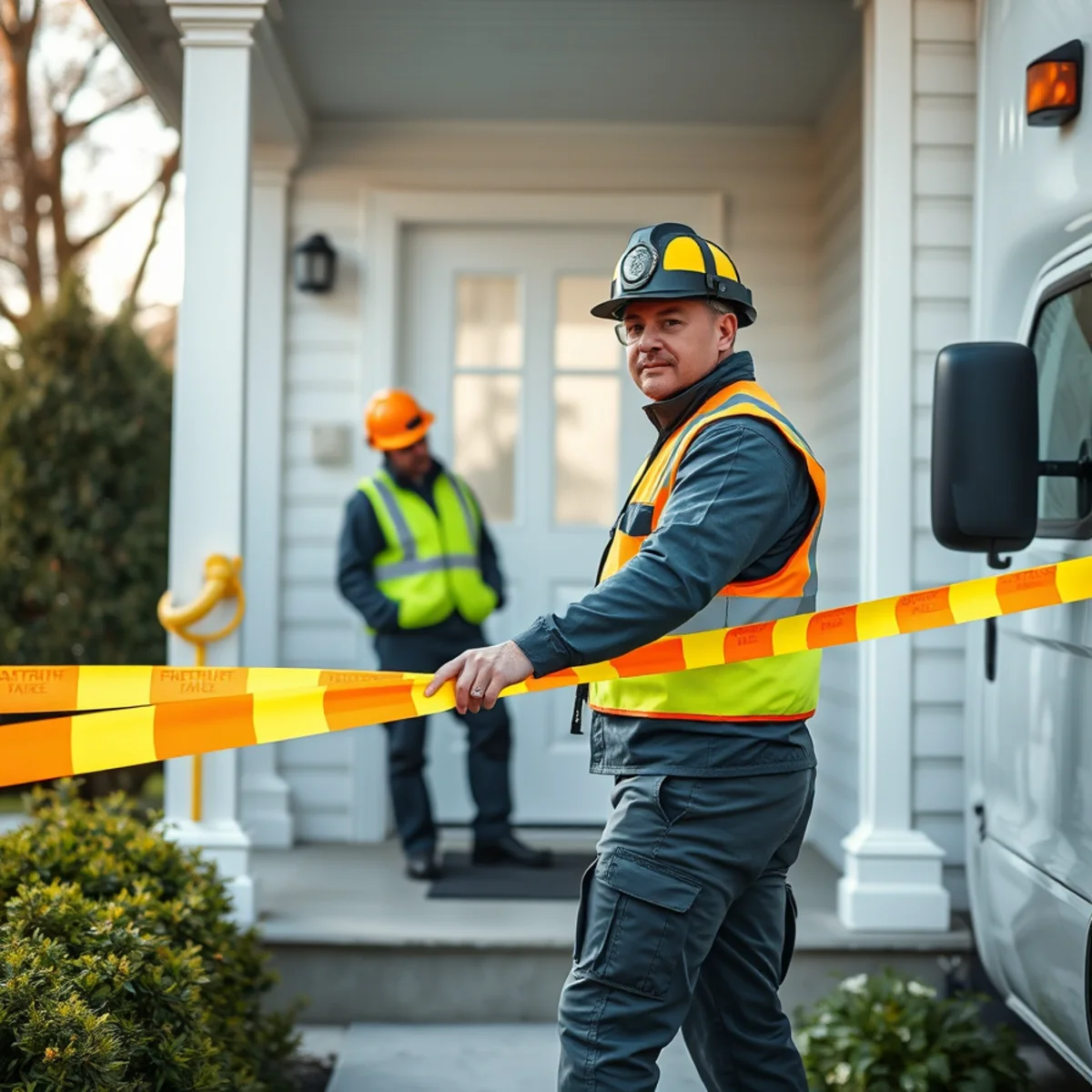
Atmospheric Toxins and Off-Gassing
Modern residential construction materials and home furnishings are heavily composed of synthetic polymers, polyurethane foams, and chlorinated plastics. Combustion releases lethal volatile organic compounds (VOCs), including carbon monoxide (CO), hydrogen cyanide (HCN), phosgene, and polycyclic aromatic hydrocarbons (PAHs). These toxic compounds linger in unventilated basements, crawlspaces, and enclosed second-story bedrooms for dozens of hours. Entering without specialized self-contained breathing apparatus (SCBA) or high-grade multi-gas detection meters risks severe respiratory burns and chemical asphyxiation.
Compromised Structural Integrity & Hidden Ember Pockets
Fire consumes load-bearing dimensional lumber and severely weakens modern engineered wood floor trusses. In historic Central New York homes—many built with balloon framing where wall cavities lack horizontal fire-stops—structural fire can travel vertically from basements straight into roof rafters, leaving floor joists dangerously charred and unstable beneath undamaged floor coverings. Only when the Fire Chief from New Berlin, Norwich, Sherburne, or the Chenango County Bureau of Fire officially signs the release transfer can anyone step across the threshold.
Never step onto soot-covered stairs or charred floor decks. Sub-surface structural sagging often indicates burned load-bearing stringers that can collapse under human body weight without warning.
2. Prevent Secondary Weather and Freeze Damage: The 12-Hour Window
In Chenango County, where winter temperatures routinely drop into single digits or sub-zero territory and seasonal snowfall averages over 77 inches, physical breaches from firefighting operations expose the home to immediate secondary catastrophes. Firefighters must break windows and breach roofs for vertical ventilation to survive interior attacks. If these breaches are left exposed, snow, freezing rain, and sub-zero drafts will destroy rooms untouched by fire.
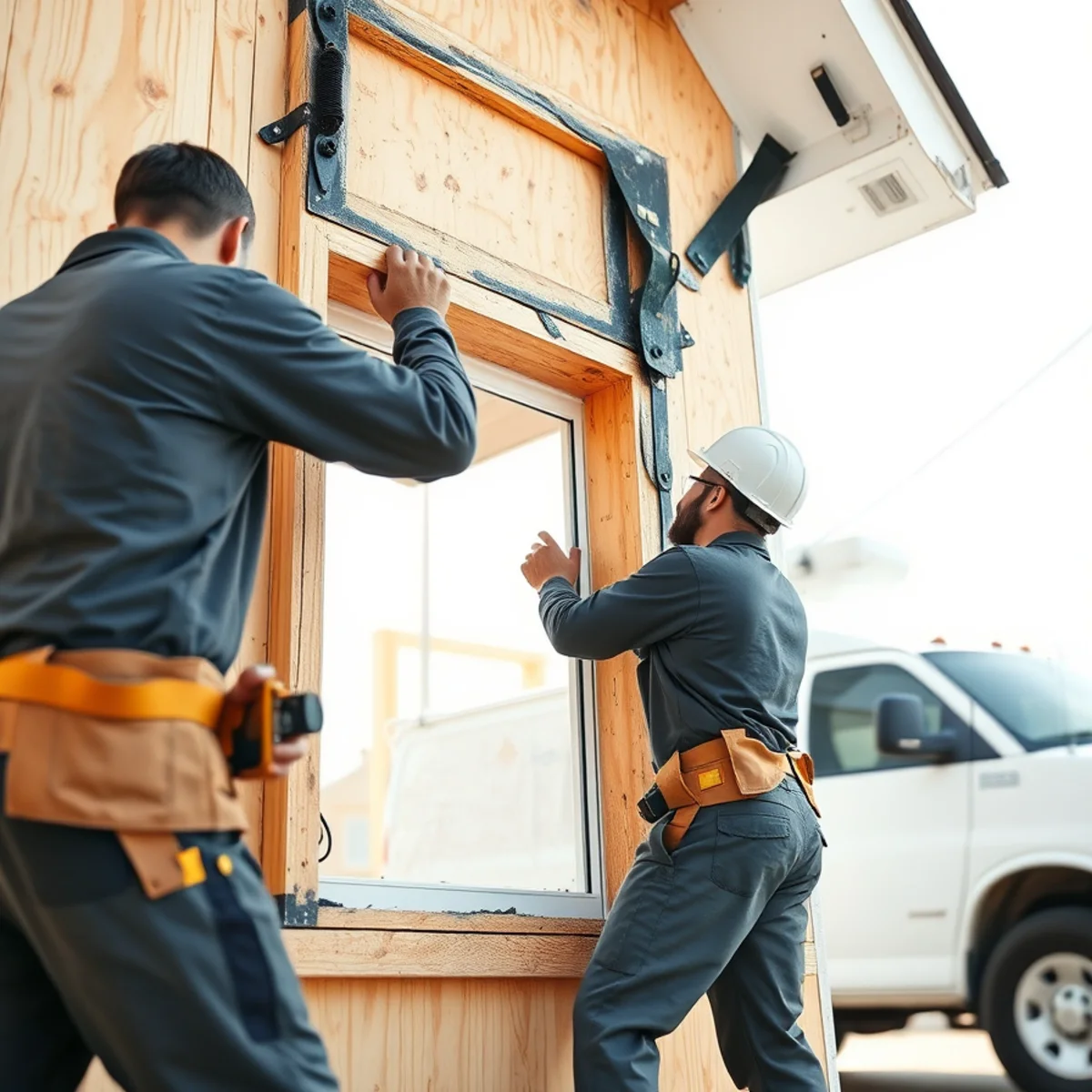
Emergency Board-Up & Structural Roof Tarping Under Title 19 NYCRR
Under New York State Uniform Code (Title 19 NYCRR Section 1203), damaged structural openings must be weather-tight and secured against unauthorized entry. Professional mitigation crews install 5/8-inch CDX plywood across all door and window breaches using non-destructive tension clamps that avoid driving unnecessary spikes into surviving architectural casings. Damaged roof sections are covered with 10-mil batten-reinforced polymer tarps engineered to withstand 50+ lb snow loads and wind gusts funneling down the Chenango and Unadilla River valleys.
Hydrostatic Freeze Protection & Domestic Line Drainage
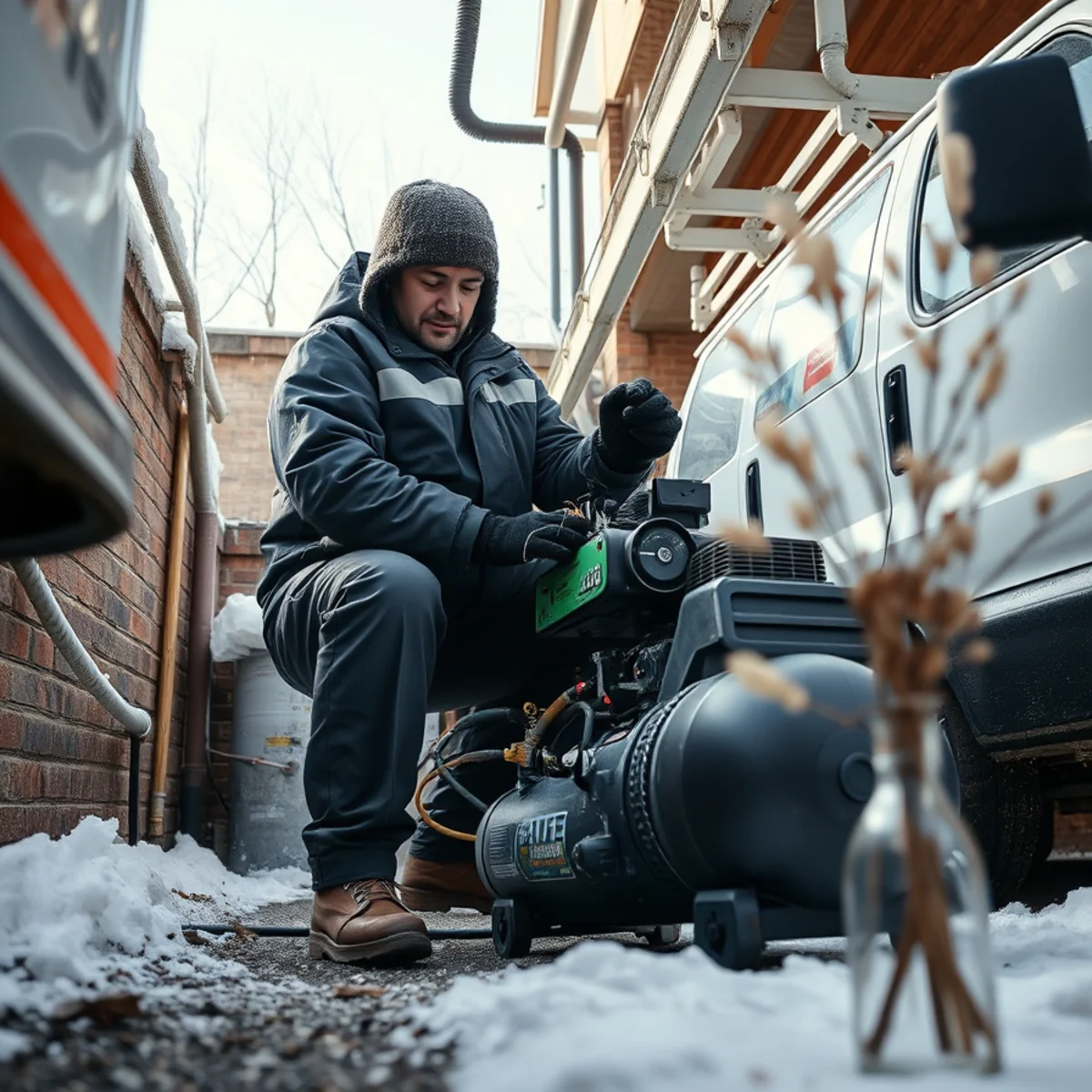
When municipal utilities or local fire chiefs disconnect electrical service and heating fuels for life safety, surviving indoor plumbing becomes vulnerable to freezing within 6 to 12 hours. As water freezes within copper, CPVC, or PEX supply lines, it expands with over 40,000 PSI of hydrostatic pressure, rupturing pipe walls and splitting brass valves. Emergency restoration technicians immediately shut off the main curb stop or well pump, drain hot water tanks, blow out all supply lines with industrial compressed air, and inject non-toxic propylene glycol antifreeze into all sink traps, toilets, and floor drains.
3. Contact Your Insurance Company & Secure Immediate ALE Cash Advances
Contacting your insurance carrier or local independent agent is essential within the first few hours. Central New York homeowners are frequently insured through regional mutual carriers such as NYCM Insurance (headquartered in nearby Edmeston), Preferred Mutual (based in New Berlin), or national carriers. Understanding your policy coverage provisions protects your financial recovery.
Requesting Emergency Additional Living Expense (ALE) Funds
Under Coverage D (Loss of Use / Additional Living Expenses), your homeowner policy reimburses the reasonable increase in living expenses necessary to maintain your family’s normal standard of living while your home is uninhabitable. Request an immediate emergency cash advance or direct electronic transfer from your adjuster during your first phone conversation. This funding covers immediate hotel accommodations in Norwich, Oneonta, or Utica, emergency purchase of winter coats, clothing, toiletries, prescription refills, and restaurant meals.
Preserving Your Chain of Evidence and Claim Documentation
Never discard damaged contents, burned clothing, or charred furnishings before an adjuster or certified restoration estimator inspects and inventories them. In accordance with New York State Insurance Regulation 64 (11 NYCRR Part 216), insurers require clear proof of loss. Our mitigation team conducts comprehensive room-by-room photographic inventories, categorizing every damaged item with digital timestamps and serial records before any structural demolition or debris removal begins.
Retain every single receipt starting from the night of the fire. Keep a dedicated folder or smartphone tracking log for hotel stays, pet boarding, laundromat expenses, and restaurant receipts for ALE submission.
4. Professional Soot Mitigation vs. Dangerous DIY Scrubbing
When homeowners survey smoke-stained walls, ceilings, and furnishings, their instinct is often to grab household sponges, warm water, and store-bought dish soap or bleach. Doing so on soot residues can cause irreversible, permanent damage.
The Destructive Chemistry of Acidic Soot Residues
Combustion residues are chemically complex and aggressively corrosive. Fuel oil soot, synthetic plastics soot, and protein soot from kitchen grease range in pH from 2.5 to 4.5. Within hours of exposure, these acidic particulates begin etching porcelain bathroom fixtures, pitting stainless steel and chrome appliances, tarnishing brass hardware, and discoloring vinyl and painted drywall.
Why Household Wet Cleaning Smears and Locks in Soot
Water and alkaline detergents dissolve the microscopic oil binders within soot, driving microscopic carbon particles deep into the porous cellular matrix of painted drywall, natural wood trim, and textured plaster. Professional restoration uses vulcanized natural rubber chemical sponges that lift soot dry via static absorption, capturing residues without moisture. Only after dry particulate extraction is complete do technicians introduce specialized enzymatic counteractants, polar solvent rinses, and thermal fogging deodorization.
| Action Category | Critical Protocol (DO THIS) | Dangerous Mistake (NEVER DO THIS) |
|---|---|---|
| Physical Entry | Wait outside until Fire Chief or Code Official issues written clearance certificate. | Rush inside to grab photo albums or electronics through lingering toxic gas. |
| Plumbing & Freeze | Shut down main water supply and order professional compressed-air line blowout. | Leave plumbing pressurized with broken windows in sub-freezing temperatures. |
| Soot Cleanup | Let certified technicians perform dry vulcanized chemical sponge extraction. | Wipe greasy soot with wet washcloths, liquid dish soap, or bleach solutions. |
| Damaged Belongings | Document every damaged possession room-by-room with photos and video before removal. | Throw out burned mattresses, electronics, or clothes before adjuster inspection. |
| HVAC & Heating | Turn off thermostat and breaker to prevent soot circulation through ducts. | Run furnace or heat pumps to warm the house, blasting soot into unaffected rooms. |
5. Navigating Structural Overhaul & Municipal Clearance in Central NY
Recovering from a structural fire involves close coordination with municipal building code departments across Chenango County. Understanding the administrative and regulatory process eliminates delays in securing permits and beginning reconstruction.
Chenango County Code Enforcement & Building Permits
Whether your property is located in the City of Norwich (which maintains its own municipal code department) or within rural townships overseen by the Chenango County Department of Code Enforcement in Norwich, any structural repair involving load-bearing framing, electrical rewiring, or roof replacement requires formal building permits. Lancaster Smoke Damage Experts prepares detailed engineering scopes aligned with the 2020 New York State Uniform Fire Prevention and Building Code, expediting plan approvals.
Managing Utility Reconnection Protocols
Local utilities—including NYSEG for electric and natural gas service, or regional propane suppliers—cannot restore power or fuel service until a licensed electrical underwriter inspects and stamps the main panel and wiring. Our crews deploy portable commercial generator arrays to operate industrial air scrubbers, desiccant dehumidifiers, and temporary safety lighting until municipal utility service is safely restored.
Local Chenango County Fire Dynamics & Volunteer Response Coordination
Unlike urban metropolitan areas with high-pressure municipal hydrant grids at every street corner, rural Chenango County relies heavily on 100% volunteer fire companies—including New Berlin VFD, Norwich FD, Sherburne VFD, Oxford VFD, and South New Berlin VFD—operating complex tanker shuttles. Rural attack lines deliver 150 to 250 gallons of water per minute, drafted from local brooks, farm ponds, or municipal hydrants. This introduces hundreds of gallons of water into balloon-framed structural cavities. When fires occur in rural hamlets or hilltop farms during January or February, the combination of high-volume water saturation and freezing temperatures creates immediate ceiling collapse risks. Having a local restoration team based at 19 N Main St #2 in New Berlin ensures emergency crews arrive with high-capacity extraction pumps, winterization manifolds, and industrial heat within 30 to 60 minutes.
Need Immediate On-Site Fire Damage Recovery?
We dispatch certified restoration teams across Chenango, Otsego, and Madison Counties from our New Berlin hub. Zero phone menus, no automated forms—speak directly with a certified technician.
Frequently Asked Questions
Who is authorized to declare my burned house safe to enter in Chenango County?
Only the on-scene Incident Commander (Fire Chief) or the designated Chenango County Code Enforcement Officer can officially certify that a fire-damaged structure is safe for human entry. Never assume that extinguished flames mean the property is structurally sound or free of toxic combustion gases.
Will my homeowners insurance pay for emergency board-up and freeze winterization?
Yes. All standard homeowners policies include a legal “Duty to Mitigate,” which obligates the policyholder to protect the property from secondary damage. Expenses incurred for emergency window board-up, roof tarping, and compressed-air plumbing blowout are fully covered and reimbursed by your insurance carrier under your structural coverage.
How quickly will pipes freeze after a winter house fire in Central New York?
When heating systems and electrical power are disconnected during winter weather in Chenango County, interior temperatures plummet rapidly. Water lines located in exterior walls, unconditioned basements, or crawlspaces can freeze and burst in as little as 6 to 12 hours. Immediate emergency winterization is mandatory.
What should I do if my oil furnace had a puff-back instead of a flame fire?
Turn off the heating system switch at the top of the basement stairs immediately to prevent the blower from circulating oily soot throughout your home. Do not attempt to wash the walls with soap or water, as oil soot contains petroleum binders that permanently smear into drywall pores. Call (407) 956-1738 for specialized chemical sponge dry decontamination.