
Winter House Fire Frozen Pipe Prevention: Step-by-Step Guide
Following a winter house fire in Central New York, emergency plumbing winterization must occur within 6 to 12 hours of the fire department shutting off utilities. Surviving water inside copper or PEX pipes freezes and expands with over 40,000 PSI of hydrostatic pressure, shattering pipes and valves. When temperatures rise or water service is restored, the resulting flood inflicts catastrophic secondary water damage on rooms untouched by fire. Call (407) 956-1738 immediately for 24/7 compressed-air plumbing blowout and indirect-fired heating.
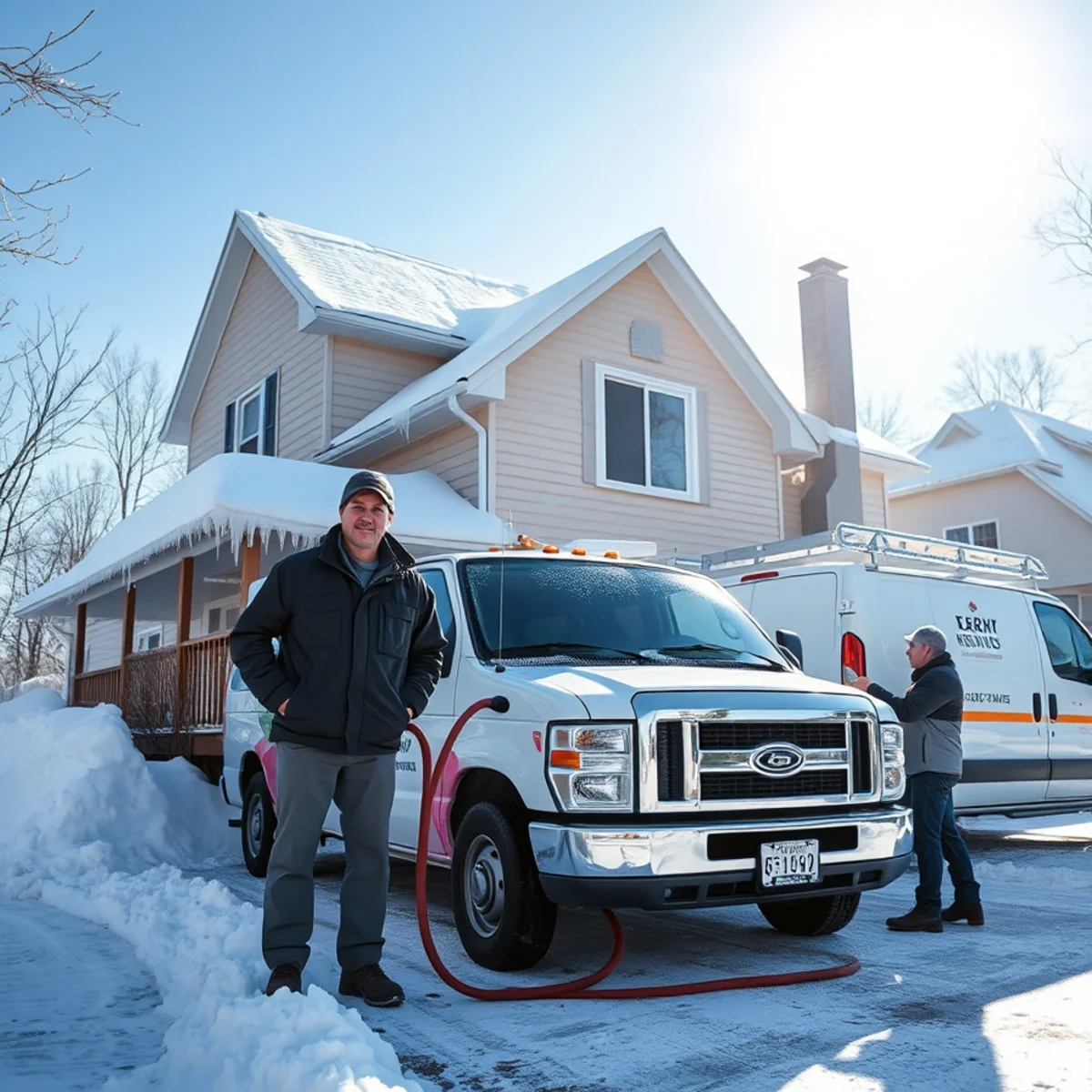
In the rugged terrain of Central New York—spanning Chenango, Otsego, Madison, and Delaware Counties—winter temperatures frequently hover in single digits or plunge to -15°F during polar vortex cold snaps. When local volunteer fire companies extinguish a residential fire, standard life-safety protocol dictates that electric power meters are pulled by NYSEG and heating fuel supplies (natural gas, propane, or fuel oil) are shut down at the tank. While necessary to prevent electrical arcing and explosive gas leaks, this immediate loss of heat transforms a fire-damaged home into an unconditioned thermal vacuum. Within hours, surviving domestic water pipes, hydronic heating loops, and water heaters begin to freeze. Without immediate, professional emergency winterization, homeowners who survived a localized fire wake up days later to find their entire house flooded by shattered plumbing lines. This guide details the physics of freeze damage, the critical 12-hour stabilization window, and professional protocols to protect your home and preserve your insurance coverage.
1. The 12-Hour Freeze Window: Why Fire-Damaged Homes Turn Into Iceboxes
A burning building absorbs immense amounts of heat during a fire, but that thermal mass dissipates with shocking speed once flames are suppressed and fire hoses cease operations.
Rapid Thermal Loss Through Structural Breaches
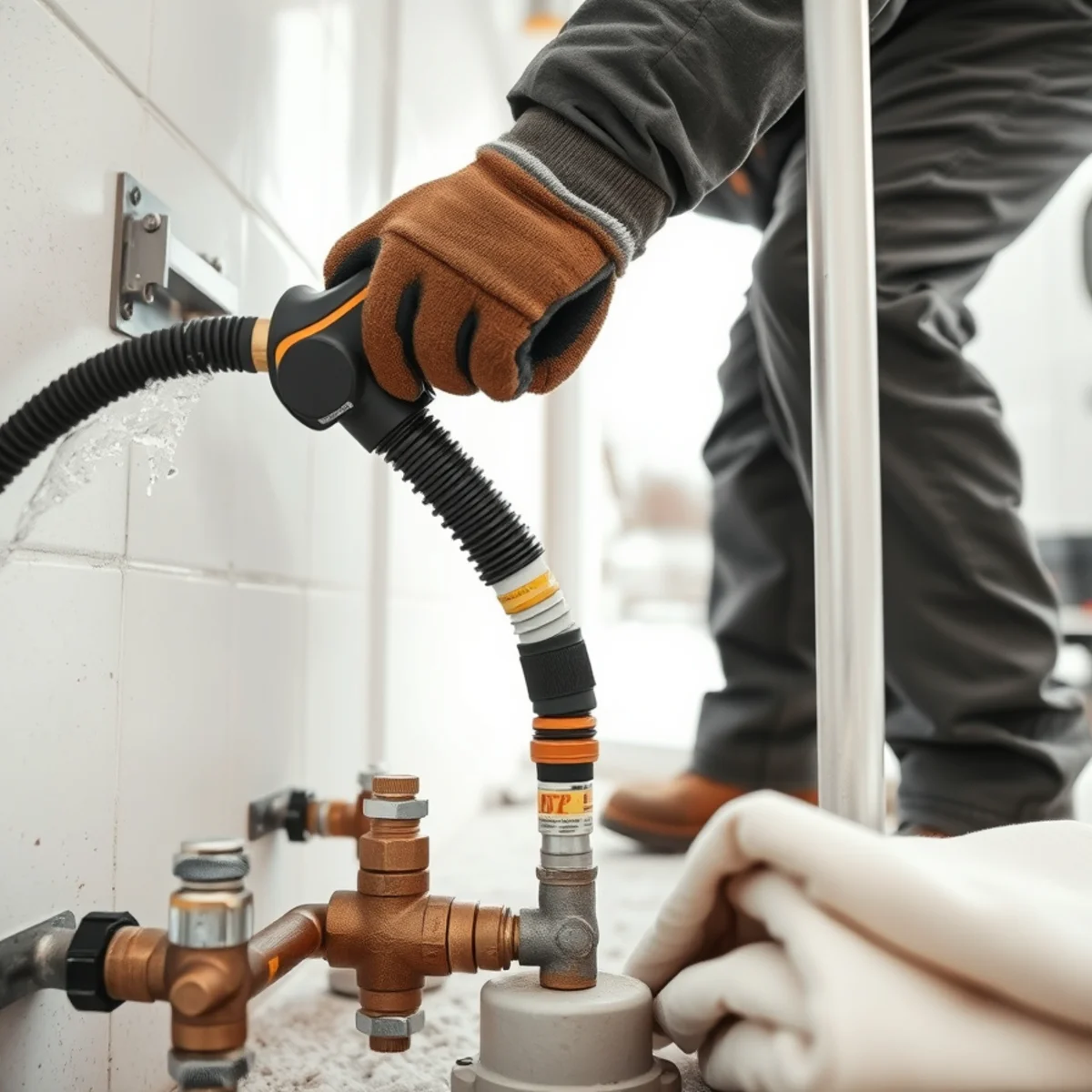
Firefighting tactics require vertical roof venting and horizontal window breaches to exhaust superheated gases and allow interior attack crews to survive. These openings—combined with hundreds of gallons of cold firefighting water pooled on floors—strip the building envelope of ambient warmth. In 10°F weather with 20 mph wind gusts funneled along the Unadilla or Chenango River valleys, indoor temperatures plummet below 32°F in as little as 4 to 6 hours, creating an active freeze environment throughout exterior wall cavities, basements, and unheated crawlspaces.
Why Plumbing in Exterior Walls Is Ground Zero
Older Upstate New York homes—particularly farmhouses built before modern insulation codes—frequently feature bathroom and kitchen supply lines run along un-insulated exterior wall framing. Because these perimeter walls lose heat first, water lines freeze from the outside in, forming solid ice plugs that trap water within interior plumbing branches.
Do not wait until morning to address winter freeze protection. If utilities are disconnected after a nighttime fire, plumbing pipes will freeze and split before sunrise.
2. The Destructive Physics of 40,000 PSI Hydrostatic Freeze Pressure
A widespread misconception is that pipes burst at the exact point where ice forms. In reality, the fluid mechanics of freezing water are far more catastrophic.
Hydrostatic Pressure Spikes Between Ice Plugs
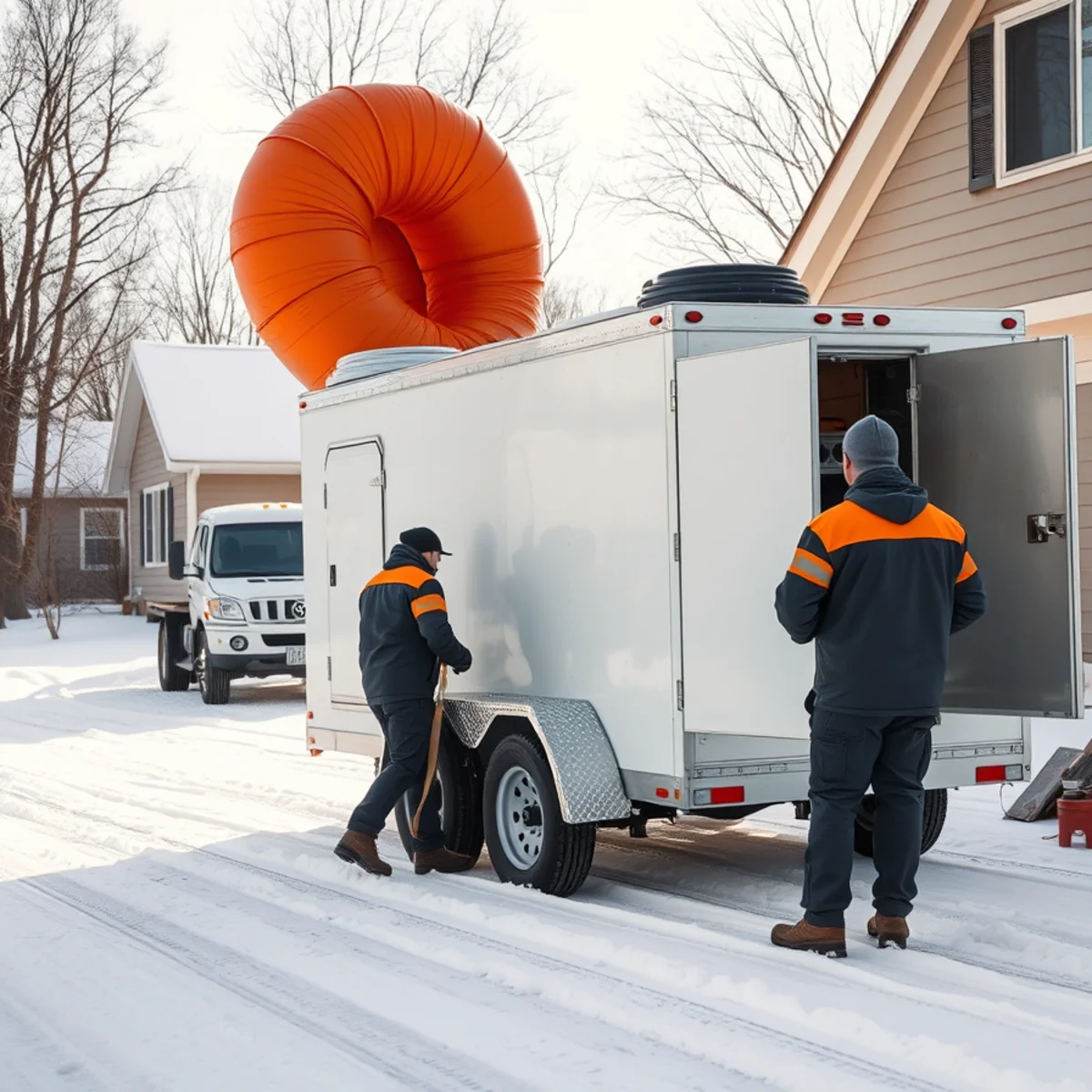
As water freezes inside a pipe, it expands volumetrically by approximately 9%. When ice forms in two locations along a run—such as an unheated crawlspace and an exterior wall—it creates a sealed column of liquid water trapped between the ice blockages and a closed faucet valve. As the ice plugs continue to expand toward each other, the trapped water cannot compress. Hydrostatic pressure within the line spikes from a normal 50 PSI to over 40,000 PSI.
Catastrophic Metal Splitting and Secondary Flooding
No residential plumbing material can withstand 40,000 PSI. Type L and M copper lines split longitudinally along seam walls, brass ball valves fracture, and PEX fittings blow off crimp rings. The true disaster occurs when temperatures rise or municipal water service is restored: high-pressure water surges through the split pipes, discharging 10 to 15 gallons per minute into finished ceilings, insulation, hardwood floors, and finished basements that were completely untouched by the original fire.
3. Professional Compressed-Air Winterization: The 5-Step Protocol
Professional winterization for a fire-damaged home requires specialized equipment and rigorous technical execution far beyond simply opening sink faucets.
Step 1: Main Supply Isolation and Lockout
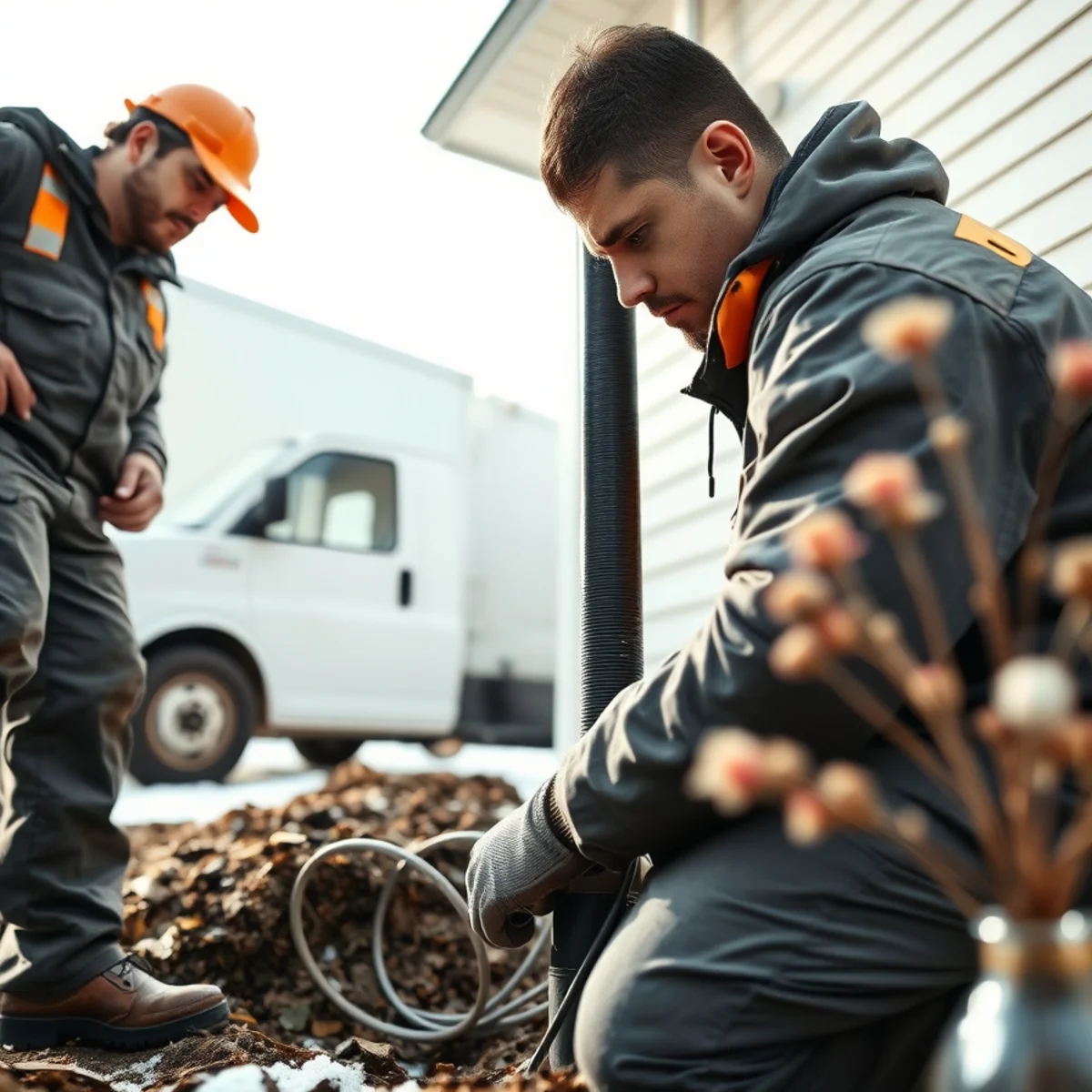
Technicians immediately shut down the municipal curb-stop valve using specialized water keys or disconnect electrical circuits to private well submersible pumps, draining the well pressure tank and sediment filter housings completely.
Step 2: Water Heater and Tank Evacuation
Hot water storage tanks (electric, gas-fired, or indirect oil-fired) contain 40 to 80 gallons of water. Left unprotected, freezing water will crack the inner glass lining and rupture the steel tank shell. Technicians connect high-temperature discharge hoses to drain tanks completely to an exterior drainage point.
Step 3: High-Volume Compressed-Air Manifold Blowout
Our crews attach high-capacity commercial air compressors to the main plumbing manifold, systematically charging lines with 35 to 45 PSI of regulated air. Technicians open every plumbing fixture—faucets, shower valves, laundry bibbs, outside sillcocks, and refrigerator ice makers—one by one, driving all residual droplets of water out of supply lines until only pure air exhausts.
Step 4: Non-Toxic Propylene Glycol Trap Protection
Plumbing P-traps beneath sinks, shower drains, and toilet bowls hold standing water to block sewer gases. Technicians siphon standing water from toilet tanks and bowls, then inject virgin, non-toxic, food-grade propylene glycol RV antifreeze (-50°F rated) into every trap and drain assembly.
Step 5: Hydronic Baseboard and Boiler Loop Drainage
For homes with hot-water baseboard or radiant floor heating, technicians bleed and blow out each individual zone loop, isolating the cast-iron boiler block and safeguarding expansion tanks against freezing.
4. Temporary Emergency Heating: Indirect-Fired Heaters vs. Open-Flame Hazards
Maintaining structural drying and preventing foundation frost-heave requires supplemental heat, but using the wrong equipment introduces deadly secondary fire hazards.
The Grave Dangers of Open-Flame "Torpedo" Salamander Heaters
Uncertified contractors often place direct-fired propane or kerosene torpedo heaters inside damaged rooms. This is extremely hazardous. Direct-fired heaters dump massive quantities of water vapor (one gallon of water per gallon of fuel burned) into the home, spiking relative humidity, encouraging rapid mold bloom, and generating lethal levels of carbon monoxide. Furthermore, exposed flames in soot-laden environments risk reigniting volatile residues.
Safe, Clean Heat from Commercial Indirect-Fired Units
Lancaster Smoke Damage Experts deploys commercial indirect-fired heating units stationed safely outside the structure. Fuel combustion occurs in an isolated heat exchanger, venting exhaust fumes safely to the outdoor atmosphere, while high-volume centrifugal blowers duct 100% clean, dry, zero-carbon-monoxide heated air into the home, elevating interior temperatures to 65°F–70°F to accelerate psychrometric drying.
| Damage Scenario | Typical Water Volume | IICRC Water Category | Structural Impact Severity | Average Restoration Scope |
|---|---|---|---|---|
| Fire Attack Water Extraction | 500 to 2,500 gallons delivered during active suppression. | Category 3 (Black Water) due to soot, ash & chemical runoff. | Severe moisture saturation in fire zone; drywall ceiling collapse. | Immediate sub-surface extraction, dehumidification & structural teardown. |
| Secondary Frozen Burst Pipe Flood | 2,000 to 10,000+ gallons discharged under 60 PSI utility pressure. | Category 1 progressing to Category 3 if standing over 48 hours. | Destroys previously undamaged rooms, finished basements, and flooring. | Massive secondary reconstruction, insulation removal & whole-home dry-out. |
| Unprotected Hydronic Boiler Freeze | 50 to 150 gallons of blackened boiler water under static head. | Category 2 (Grey Water) containing rust, scale & treatment chemicals. | Ruptured cast-iron boiler sections & split copper baseboard fin-tubes. | Total replacement of boiler heating plant and all zone piping loops. |
5. The Legal "Duty to Mitigate" Under New York Insurance Law
A crucial legal reality that every Upstate New York homeowner must understand is the policyholder’s affirmative duty to prevent secondary losses.
Policy Language and Secondary Loss Exclusions
Every standard homeowners insurance policy issued in New York State (in accordance with NYS Insurance Law § 3404) contains a "Neglect" and "Duty to Mitigate" clause. If an insurer determines that burst pipes occurred because the homeowner failed to take reasonable emergency measures to winterize the property after utility disconnection, the carrier can legally deny coverage for the subsequent water damage.
Insurers Fully Recompense Emergency Mitigation Costs
Conversely, insurance carriers are legally obligated to reimburse all reasonable costs incurred to protect the property from further damage. Emergency board-up, structural roof tarping, and compressed-air plumbing blowout are 100% covered expenses billed directly to your insurance claim under your structural coverage.
Central New York High-Elevation Freeze Dynamics & Rural Well Systems
In elevated townships across Chenango and Otsego Counties—such as Columbus, Pittsfield, Brookfield, and Exeter, where elevations exceed 1,600 to 1,800 feet—winter weather is significantly more severe than in river valleys. Lake-effect squalls originating from Lake Ontario and sub-zero wind chills drop building temperatures with extreme velocity. Furthermore, 90% of rural homes rely on private drilled wells with deep submersible pumps and buried water supply lines. If electricity is cut, well pit pressure switches and pitless adapters can freeze solid, cracking casing heads underground. Our New Berlin emergency team arrives with portable heavy-duty commercial generators, manifold blowers, and non-toxic glycol to secure both domestic interior plumbing and outdoor well infrastructure before sub-zero temperatures cause catastrophic cracking.
Need Immediate On-Site Fire Damage Recovery?
We dispatch certified restoration teams across Chenango, Otsego, and Madison Counties from our New Berlin hub. Zero phone menus, no automated forms—speak directly with a certified technician.
Frequently Asked Questions
How quickly will pipes freeze after heat is lost following a winter fire?
In Upstate New York winter conditions (temperatures below 20°F), plumbing in exterior walls and unheated crawlspaces can begin freezing in as little as 6 to 12 hours once power and heating fuels are shut down. Complete line blowout must happen within hours of the fire department clearing the scene.
Does homeowners insurance pay for emergency plumbing winterization?
Yes. Under your policy’s "Duty to Mitigate," insurance carriers expect and fully reimburse the cost of professional emergency winterization, board-up, and freeze protection to prevent massive secondary water damage claims.
Can I just leave faucets dripping to prevent freezing after a house fire?
No. If electrical power is disconnected, well pumps will not operate, and surviving pressure will drain within minutes. Furthermore, open faucets without heating will allow drain P-traps to freeze, backing up ice into fixtures. Industrial compressed air blowout and non-toxic antifreeze injection are required.
Why should I avoid using propane space heaters inside a fire-damaged home?
Direct-fired propane heaters produce open flames that risk igniting soot residues, release deadly carbon monoxide into unventilated rooms, and dump huge volumes of moisture vapor (one gallon of water per gallon of propane) that spikes indoor humidity and fuels toxic mold growth.